

Fertilizer Management
To manage fertilizer efficiently, we have to start with how the soil itself varies across the field. Elevation, topography, bare soil imaging, and water flow accumulation layers help us identify the natural patterns that define each zone, giving us a clear picture of how soil types and farm characteristics change across the farm.
By creating data-driven management zones, we’re able to sample farms with precision ensuring consistent soil types are separately measured at the lab to make recommendations. Each management zone is going to have its own identity as far as its biological capabilities, nutrient antagonisms, and fertilizer efficiencies. Baseline Rx zones are the best approach to managing these individual soil-type characteristics and how they naturally occur—not in straight lines and perfect squares.
Step 1: Smarter Zones, Smarter Sampling
We use layered data—bare soil imagery, elevation, topography, and water flow characteristics—to define natural soil boundaries and how water moves on the farm. These zones bring consistency to your operation and create the foundation for more accurate sampling and more predictable fertilizer and seeding performance across your soils.
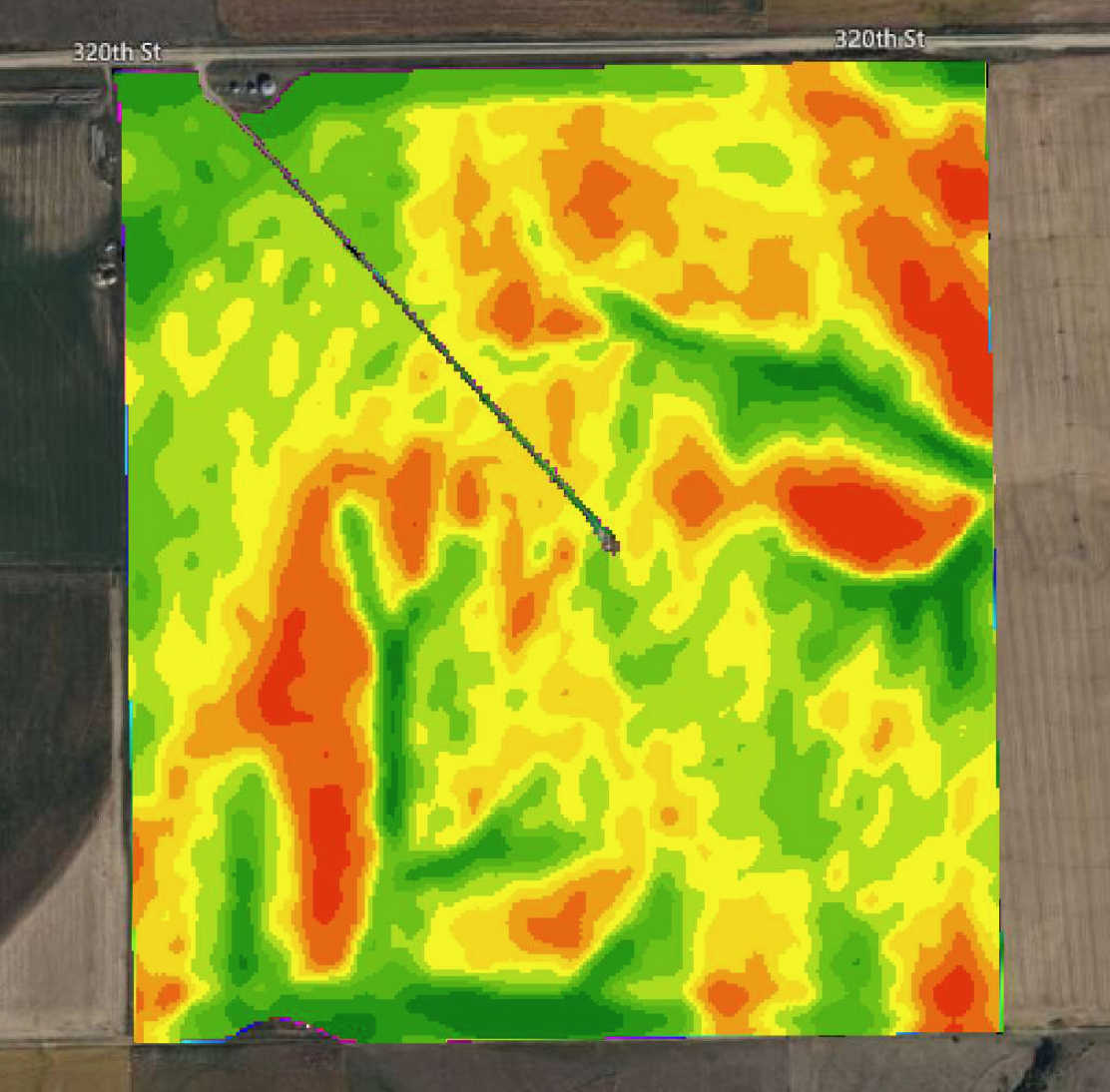
Final Zone Map
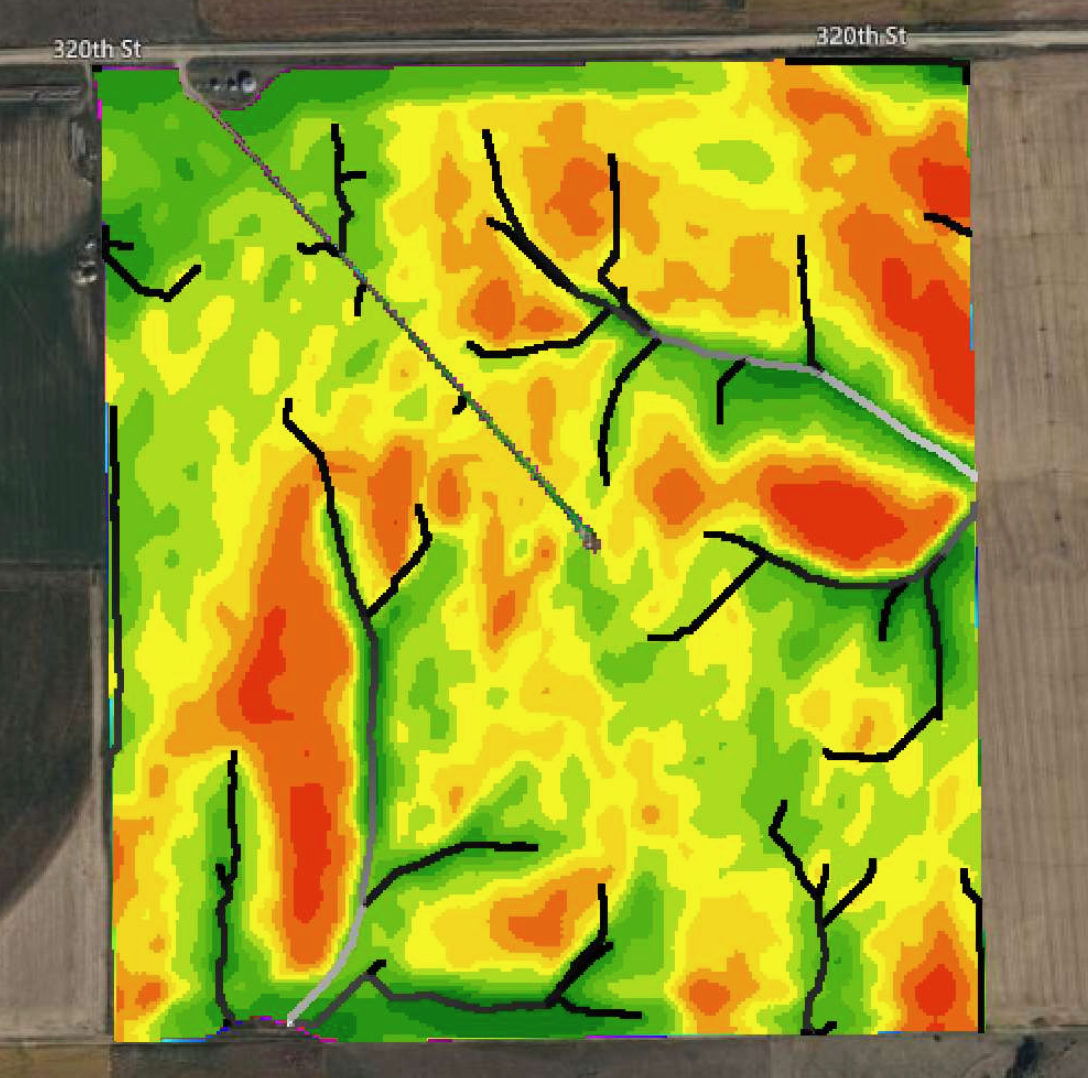
Bare Soil Imaging
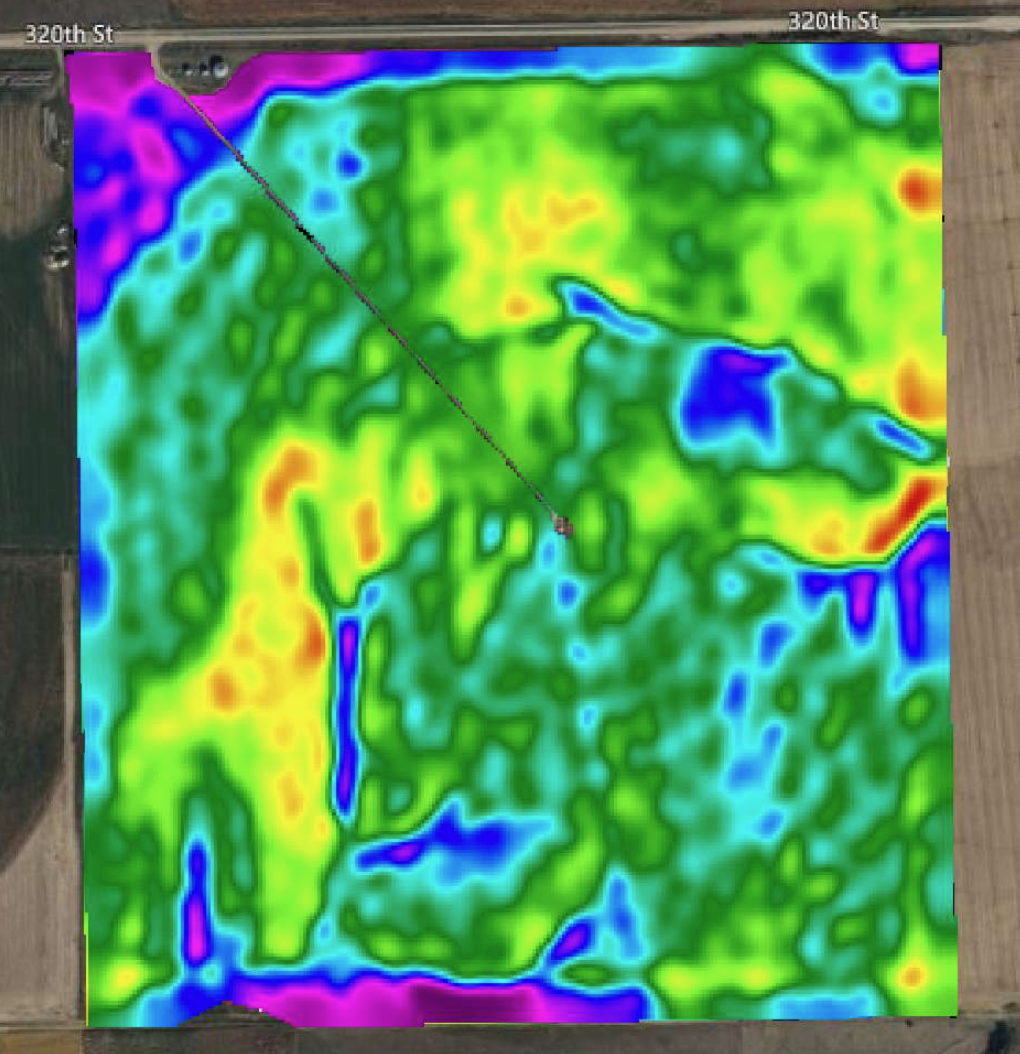
Water Flow
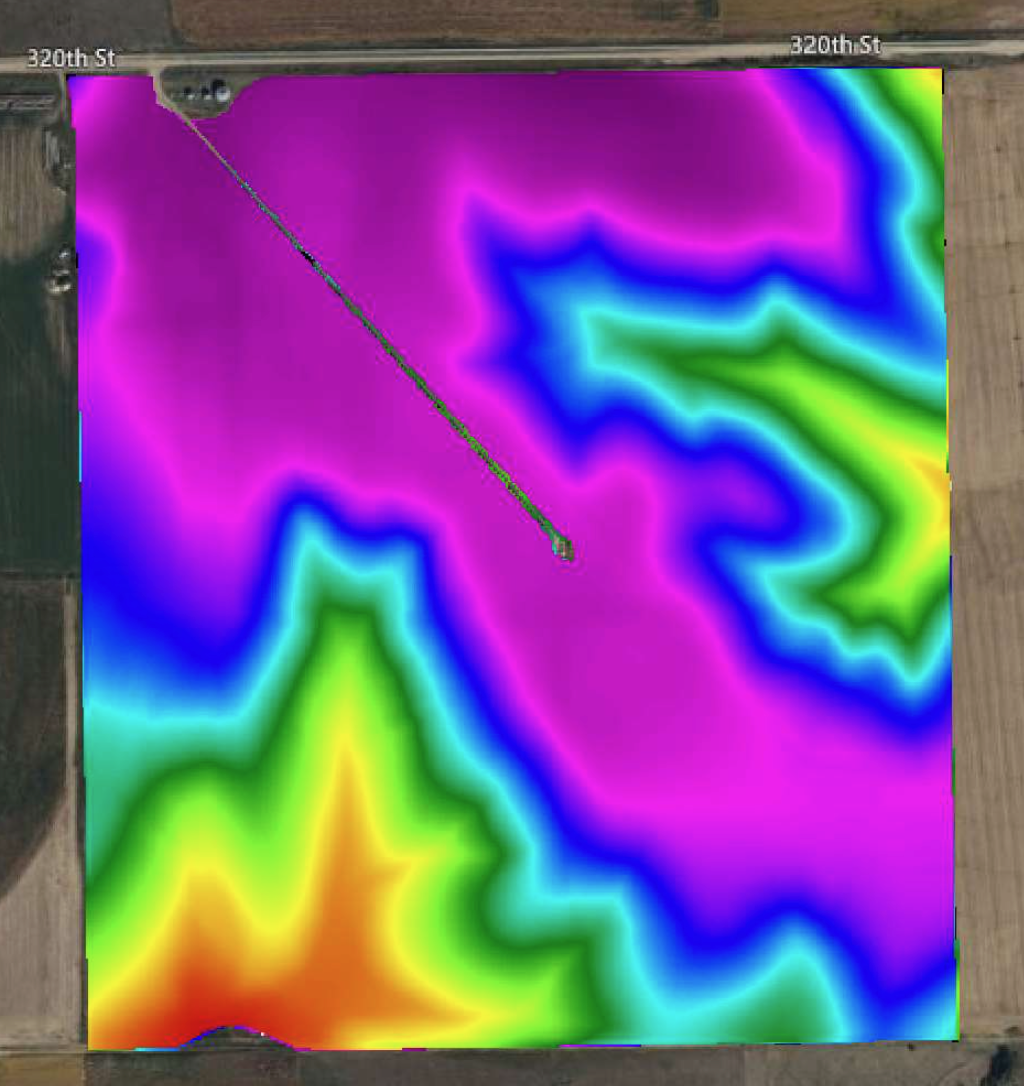
Lidar
Step 2: A New Way to Look at Soil
We combine a standard soil test with a Haney soil test to evaluate the chemical, physical, and biological pools within your soil. The Indicator soil test by Next Level Ag, gives a complete view of how your soil functions, measuring 75 soil metrics compared to 12-15 with a traditional test.
By measuring the organic and chemically bound nutrition in your soil as well as the biological capabilities, we can better predict what will become plant available to your crop. Instead of chasing ppm values, we focus on how your soil actually releases and cycles nutrients. One key measurement is Water Extractable Organic Carbon (WEOC)—the food source that drives soil biology. When biology is active and well-fed, your soil can naturally mineralize more nutrition throughout the year, improving fertilizer efficiency and crop performance.
Step 3: Precision Recommendations
With a deeper understanding of your soil’s chemistry and biology, we build custom fertilizer programs designed around your equipment, logistics, and yield goals. Every recommendation is built to drive soil efficiency, sustainability, and profitability while reducing wasted dollars and improving crop performance across your acres.
We also use soil data and Baseline Rx zone maps to create variable-rate seeding scripts, aligning genetics and population with soil potential for maximum efficiency.
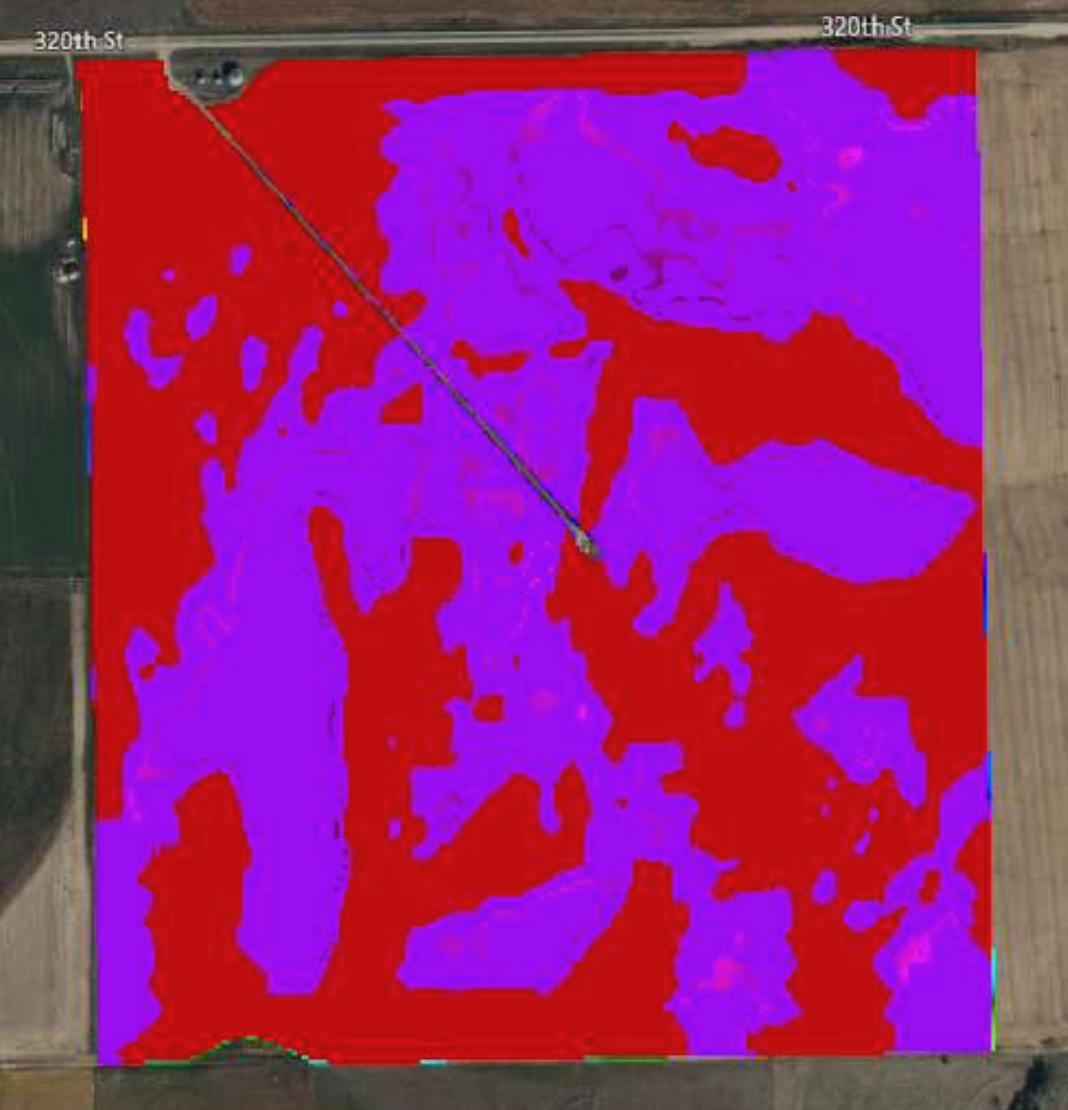
Potash Rx
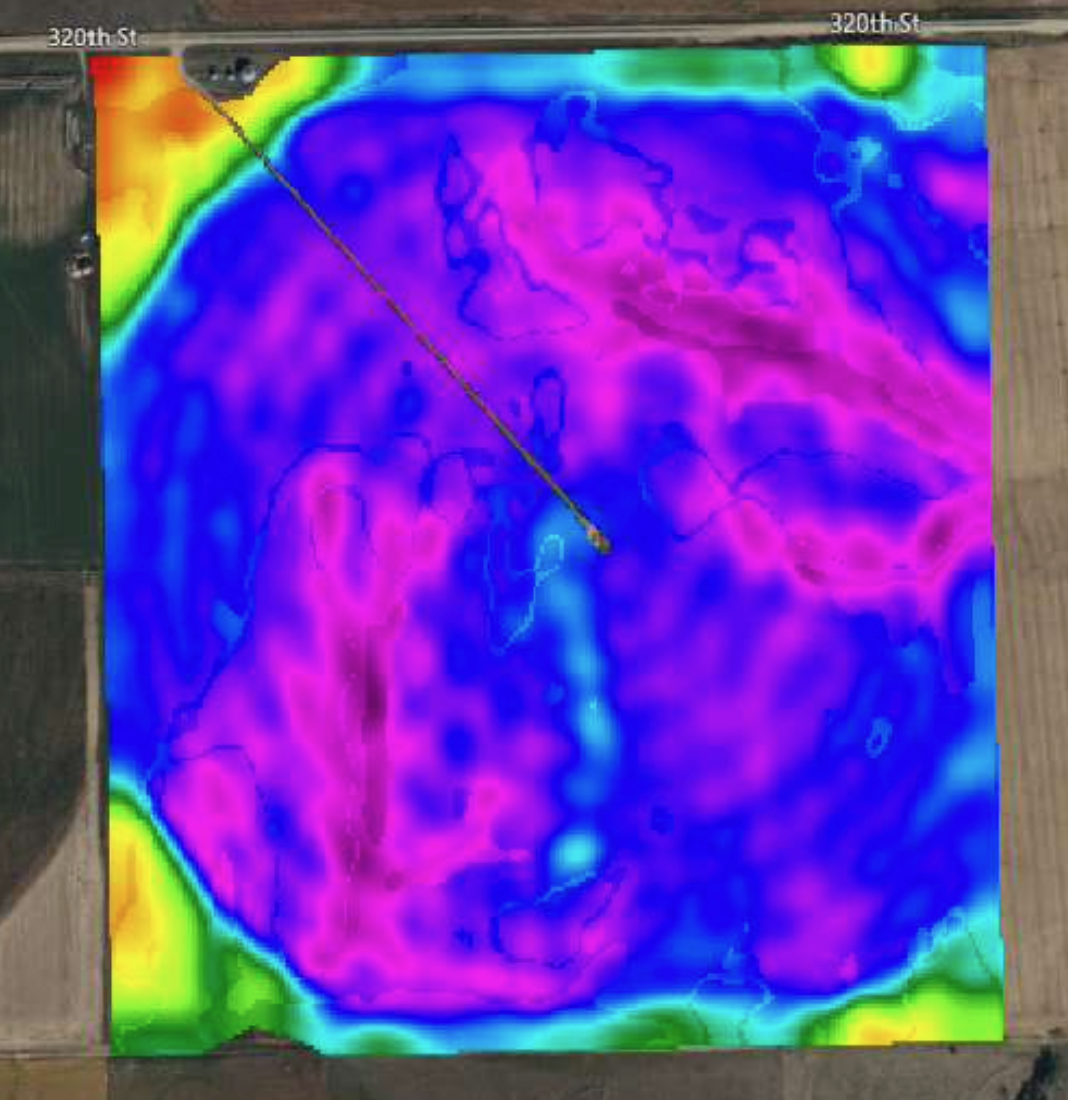
Nitrogen Rx
The Result
By understanding the dynamics within your soils and fields, we can manage fertility with greater precision, consistency, and efficiency. This approach not only increases profitability but also builds healthier, more resilient soils that continue to perform year after year.
For more information, contact Kyle Olson
Kyle@prolificag.com